Mind the $2 Trillion Gap
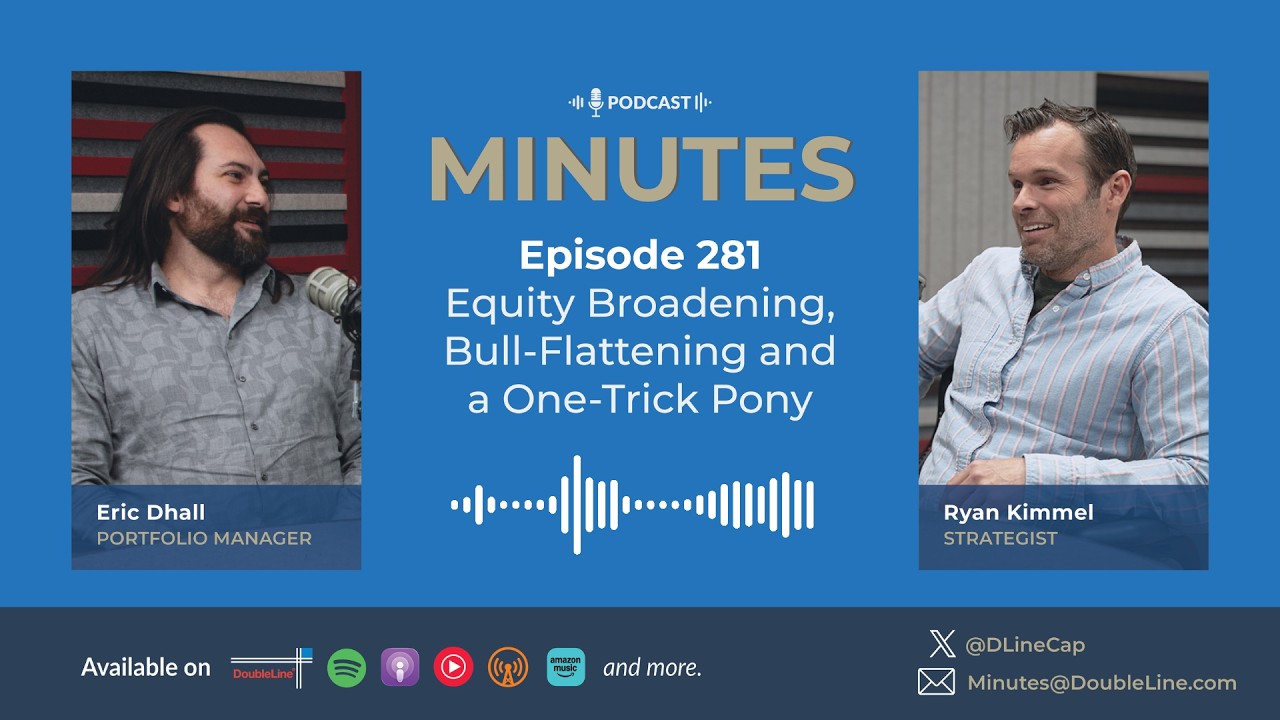
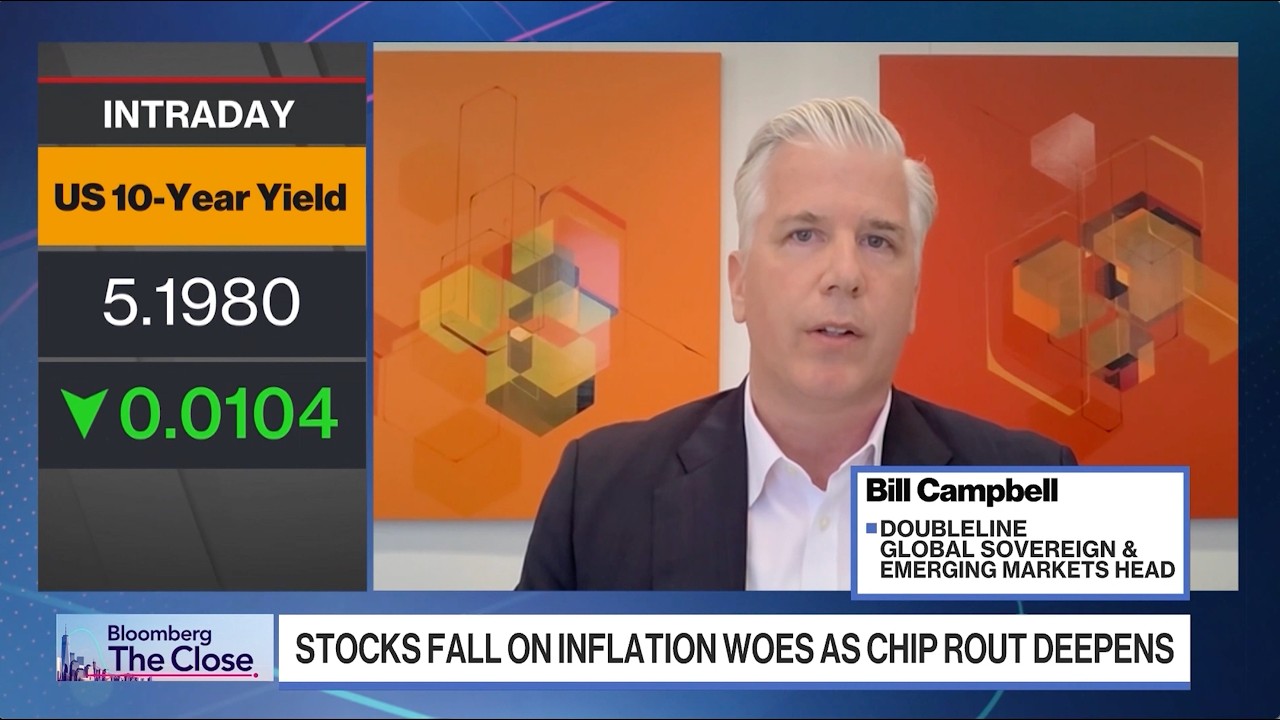
It offers a manager discussion of how fiscal deficits and Treasury supply may affect bonds and rates, a subject relevant to wealth professionals following fixed income and market conditions.
Rates, Treasuries, credit, munis and the managers running bond portfolios for wealth clients. Selected by our editors.
95 videos and podcasts · new this week: 26
It offers a manager discussion of how fiscal deficits and Treasury supply may affect bonds and rates, a subject relevant to wealth professionals following fixed income and market conditions.
Agency MBS sits in many core bond mandates, so a manager's read on spread levels and on where active selection might add value is relevant background for advisors reviewing fixed income exposure. The discussion of pricing inefficiencies also speaks to the case managers make for active rather than index exposure in the sector.
For wealth professionals weighing fixed income allocations, the item frames global bond diversification and developed and emerging market opportunities in a higher-yield environment.
It frames the trade-off allocators face in fixed income right now: better starting yields alongside pockets of credit stress. The episode names specific areas where higher rates are being felt, which may be useful context for portfolio conversations.
The bond segment and the mortgage-paydown-versus-bonds comparison map onto common client conversations about fixed income and debt. The discussion of home country bias and currency risk touches on portfolio construction questions advisors field from clients.
Advisors who use or evaluate private credit and BDC exposure may want to hear how a bond-focused BDC ETF is positioned relative to better-known equity BDC products. The episode also discusses lockups and fees in non-traded BDCs and interval funds, which are practical considerations for allocators comparing access routes.
It offers a framework for explaining a sharp move in yields to clients, including which explanations the guests set aside and which they emphasise. The comparison of today's starting yields with a decade ago is relevant to how advisors frame fixed income positioning in client conversations.
For wealth professionals thinking about income positioning after money market yield declines, the video offers a portfolio manager's view on limited-term bonds and on areas of fixed-income value and risk.
It is a compact run-through of how one large manager is framing allocation decisions in a higher-rate environment, including the diversification case for insurance-linked and private market assets. Advisors can compare that framing against their own portfolio construction and client conversations.
It offers a fixed income manager's framing of rates, duration and credit selection at a time when the description says yields may allow meaningful income without extending far out the curve. It also addresses how public and private credit compare, which bears on how advisors judge whether risk is being compensated.
The item offers a manager's framing of AI capacity constraints, rates and cost of capital, and how those themes are described across private equity, real estate and credit. Its chaptered format lets wealth professionals focus on the specific segments most relevant to client conversations.
The episode touches on bond allocation, the trade-off between mortgage paydown and bond purchases, and international diversification with currency risk, all of which can come up in client conversations. The housing discussion may also be relevant for advisers fielding questions about home prices and higher mortgage rates.
This is a concise weekly market recap for advisors who want a manager's rundown of cross-asset moves and the macro data flow into a Fed meeting. It highlights the PMI inflation detail and the market's no-hike expectation as context for client conversations.
For advisors framing client bond conversations, it offers a manager's perspective on income, diversification and downside protection after years of low yields and a US Treasury selloff.
Advisors with muni exposure in client portfolios get a manager's framing of why tax-exempt yields moved and how valuations are being read, which can inform client conversations during a volatile stretch. The discussion of crossover demand and active curve and credit positioning speaks to how a bond manager is approaching the dislocation.
For advisors using bond index funds or comparing them with other fixed-income approaches, the episode is framed around index changes and cost considerations.
For wealth professionals working on fixed-income allocations, the episode presents one manager's framework for bond positioning when long-term yields are elevated. It also identifies the specific WisdomTree funds discussed alongside that framework.
It is a first-person account of leaving an institutional finance role to start an advisory firm, aimed at professionals weighing a similar move. The material also covers how the charterholder designation was used for credibility and confidence, and the role of mentorship and professional networks.
For wealth professionals assessing sovereign and credit exposure amid higher yields, the item frames selectivity around yield drivers, using France’s bond selloff as the example.
The video gives wealth professionals a manager’s weekly read on equity breadth, bond-market behavior and inflation data for client conversations. It is context on market conditions, not a recommendation.
For advisors running bond allocations, it is a manager's own account of how a multi-sector approach frames flexibility, risk and tradeoffs, plus where the AI and data-center buildout is being discussed as a fixed-income opportunity. The chaptered structure makes it easy to jump to portfolio construction or the AI segment.
For wealth professionals weighing fixed income allocations, the segment offers a manager’s framing of recent rate moves, credit quality and emerging markets local debt as portfolio roles.
For wealth professionals focused on fixed income, the item offers a manager’s read on Fed credibility, curve positioning and credit duration after an inflation surprise. It also connects rates and financing conditions to the AI buildout, a theme that can affect long-dated bond exposure.
It offers a concise manager view on the stock-versus-bond allocation debate at a time when rates are rising, which may help advisors frame client conversations about equity positioning and yield risk.
New manager videos, podcasts and our own bonds & fixed income stories on My Desk and in your morning edition.
Free. One click to unfollow. Readers who are not signed in can follow in this browser and sign in later.
The private wealth industry in four minutes, every morning at 6:30 a.m. ET. Free.
Free. Every morning. Unsubscribe from any edition in one click.