ETF Oasis iMGP Studio
For wealth professionals, the item is framed around how a managed-futures ETF strategy is discussed relative to 60/40 portfolios and asset allocation, along with the growth story of DBMF.
Active ETFs, share classes, buffers, model portfolios and the flows behind them. Selected by our editors.
44 videos and podcasts · new this week: 16
For wealth professionals, the item is framed around how a managed-futures ETF strategy is discussed relative to 60/40 portfolios and asset allocation, along with the growth story of DBMF.
Advisors who use or evaluate private credit and BDC exposure may want to hear how a bond-focused BDC ETF is positioned relative to better-known equity BDC products. The episode also discusses lockups and fees in non-traded BDCs and interval funds, which are practical considerations for allocators comparing access routes.
A wealth professional may spend time on it for a plain explanation of buffer ETF mechanics and the trade-offs the material says investors should understand.
For advisors weighing active and passive ETF exposures, the discussion offers a manager’s view on portfolio construction, manager selection and tax efficiency. It also gives context on how one asset manager describes its advisor-facing consulting and service model.
Active ETF launches are multiplying, and the description frames liquidity, capacity and pricing as the practical questions investors face when comparing products. It offers an issuer-and-market-maker view of the mechanics behind those questions rather than a fund pitch.
For wealth professionals, the episode frames personal portfolio choices as a question of goals, risk tolerance and household needs rather than spreadsheet optimization alone. It may be useful for client conversations about deliberate cash holdings, mortgage decisions and investments that are harder to model.
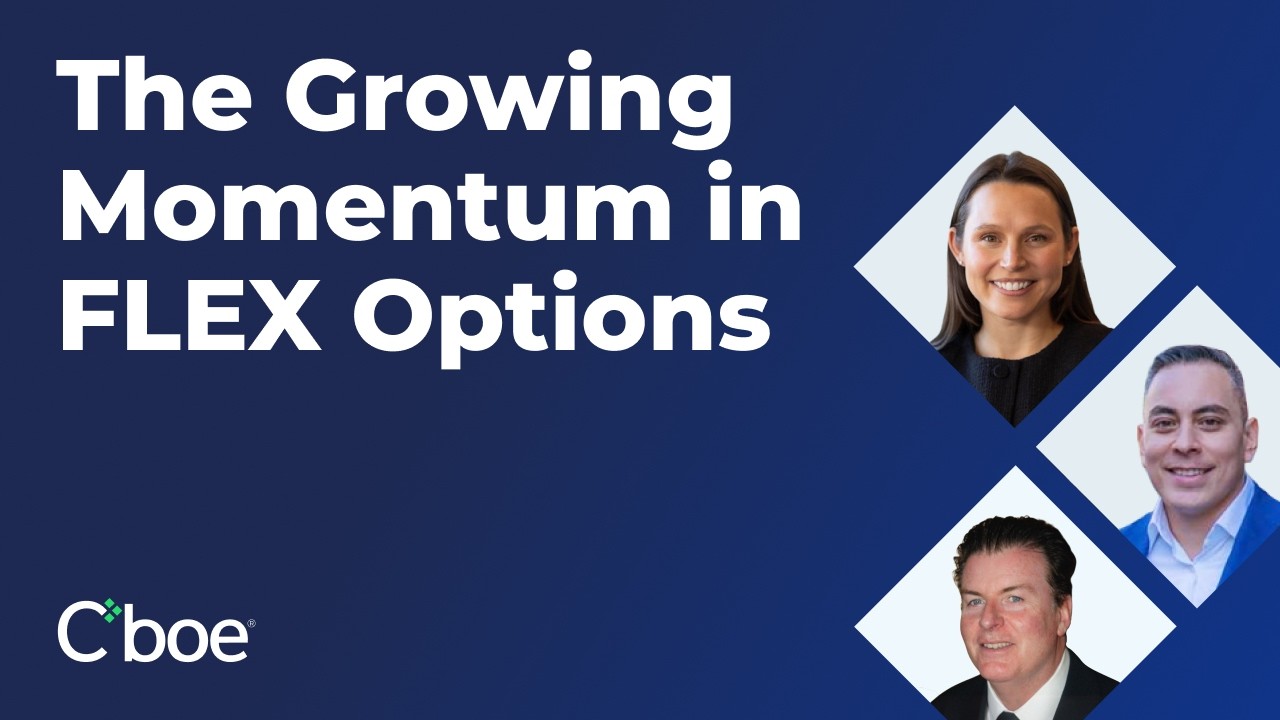
Wealth professionals who work with buffered or defined outcome ETFs may encounter FLEX options as part of the structure behind those products. The episode focuses on how the instrument is used, traded and supported operationally, rather than on a specific investment view.
For advisors reviewing 60/40 assumptions or options-based ETFs, the discussion offers a manager's framing of bonds, hedging and portfolio construction. It focuses on how options might be used alongside existing equity exposure rather than on a single product pitch.
For advisors using bond index funds or comparing them with other fixed-income approaches, the episode is framed around index changes and cost considerations.
Advisors weighing active ETFs can hear a manager's view of the ETF wrapper and how index concentration shapes diversification discussions. The conversation also outlines the approach behind one active ETF, DUSA.
For wealth professionals, the item offers a manager's framing of the semiconductor cycle and the uneven segment performance heading into year-end. It also discusses how to think about semiconductor exposure, with reference to VanEck's SMH and SMHX ETFs.
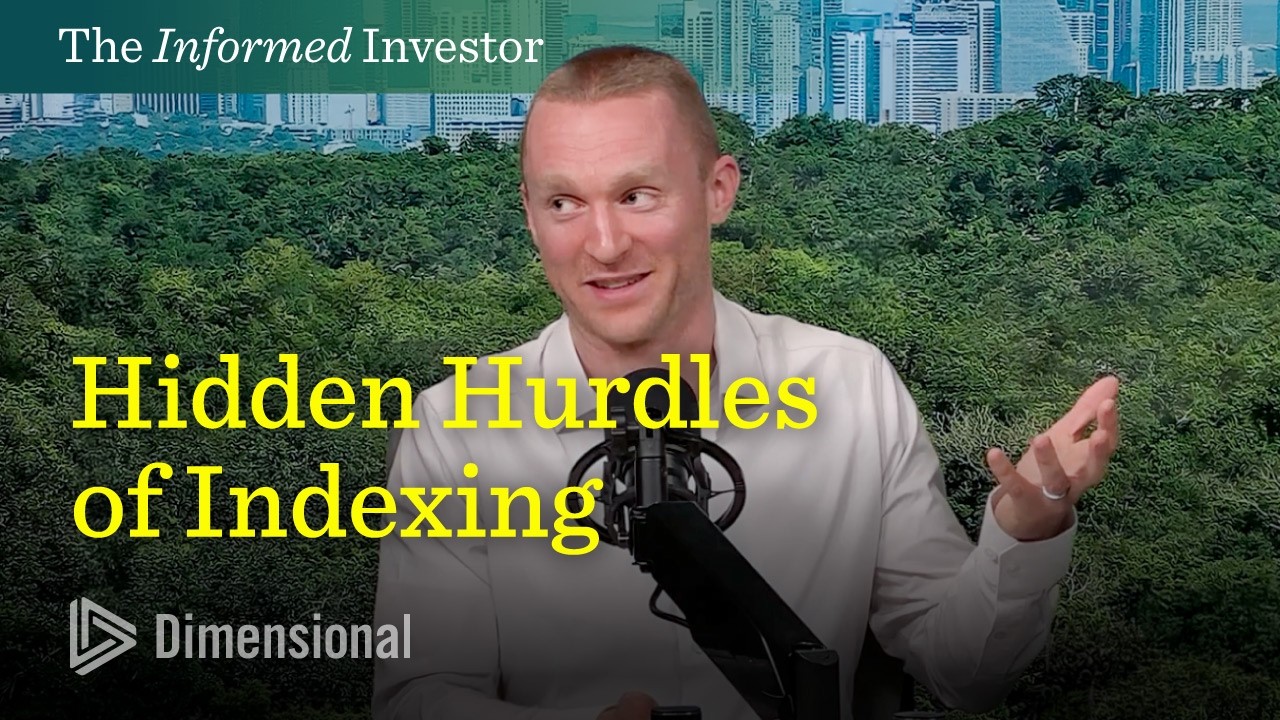
For wealth professionals assessing index exposure and concentration, the episode examines what index funds embed and the hidden costs around index additions. It also frames the debate over whether today’s market leaders are the same as tomorrow’s investment winners.
It is a manager-produced explainer on how a single high-profile AI listing could intersect with a China equity ETF that tracks the STAR 50 Index. Useful for advisors who field client questions about China AI exposure and want to see how the issuer itself frames the linkage, including the stated caveat that KSTR does not currently hold DeepSeek.
Wealth professionals get an issuer-side view of ETF launch conditions and the structural features discussed in the conversation.
Currency exposure is framed here as something most investors hold only by accident, which is a useful prompt for advisors reviewing what sits inside client portfolios. For those building or evaluating an alternatives sleeve, the episode discusses how a carry-oriented currency strategy is positioned next to managed futures and private credit.
For wealth professionals, it offers a manager's framing of concentration risk and thematic ETF construction, including how private-company exposure and infrastructure themes are discussed for portfolios.
Index funds and index-tracking products are common building blocks in client portfolios, and the episode focuses on the mechanics of reconstitution rather than just headline returns. It offers a framework advisors can use when comparing index products and explaining tracking and style drift to clients.
For advisors evaluating factor-based ETF strategies, the conversation offers a manager's account of how human research informs a value fund and how the firm frames client fit.
It is a manager's own walkthrough of a newly introduced ETF structure that pairs equity exposure with a trend-following overlay and rebalances monthly, which is the kind of packaging advisors encounter when comparing single-ticker diversified products.
For advisors looking at income-oriented ETF structures, the video offers a manager's explanation of autocallables and how CAIE is built. It also flags structural risks that are relevant to due diligence on the category.
It frames several issues wealth professionals may need to discuss with clients: what an index fund actually owns when leadership is narrow, whether weak breadth alone is a sell signal, and how managers think about trimming winners and margins of safety.
The episode is structured around the due-diligence questions advisors face as the active ETF lineup expands, including how a quant-driven strategy is built and how tracking error is managed. It offers a manager's own account of how an enhanced, index-anchored ETF is designed and evaluated.
The episode covers ETF regulatory and tax developments in one conversation, including Treasury scrutiny of 351 exchanges and ETF strategies described as tax-dodging. A wealth professional may spend time on it to track those issues alongside the panel's discussion of a shift toward bonds and new ETF launches.
It is a client-question format that touches on account location, bond fund mechanics and portfolio consolidation, which are recurring topics in client conversations. The episode also illustrates how published guidance can require correction, as with the I bond tax-refund detail.
New manager videos, podcasts and our own etfs stories on My Desk and in your morning edition.
Free. One click to unfollow. Readers who are not signed in can follow in this browser and sign in later.
The private wealth industry in four minutes, every morning at 6:30 a.m. ET. Free.
Free. Every morning. Unsubscribe from any edition in one click.