Ken Fisher: What High Gas Prices Do to the Economy
It offers a short take on how energy prices relate to economic growth, a recurring question for advisors fielding client questions about gas prices and the economy.
Market outlooks, the economy, rates and elections, and how managers are positioning portfolios. Selected by our editors.
224 videos and podcasts · new this week: 52
It offers a short take on how energy prices relate to economic growth, a recurring question for advisors fielding client questions about gas prices and the economy.
It gives wealth professionals a quick read on which smaller-cap names Morningstar is discussing as wide-moat, discounted long-term holdings. The available description is brief and does not lay out the valuation case for each name.
It offers a manager discussion of how fiscal deficits and Treasury supply may affect bonds and rates, a subject relevant to wealth professionals following fixed income and market conditions.
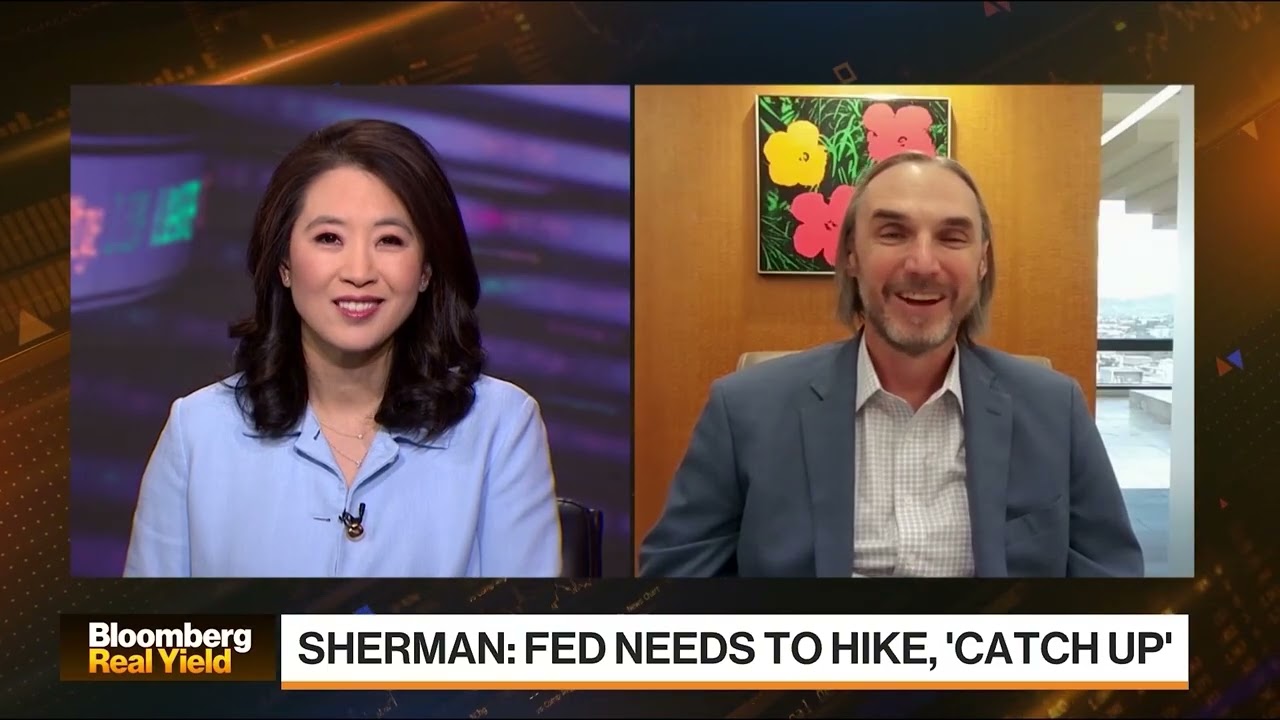
The video offers a short framing of how one large wealth firm's principal thinks about Fed policy and its limits, a recurring input for client conversations about rate moves. It is a commentary segment rather than data-driven research, so it is best treated as a stated view.
For wealth professionals weighing fixed income allocations, the item frames global bond diversification and developed and emerging market opportunities in a higher-yield environment.
The episode touches on subjects advisors are likely fielding questions about — AI positioning, retail flows, and how a large holding company is putting money to work — in a discussion format rather than a research note. It is framed as opinion and commentary, with the publisher's own disclosure that the hosts may hold positions in securities discussed.
It offers a framework for explaining a sharp move in yields to clients, including which explanations the guests set aside and which they emphasise. The comparison of today's starting yields with a decade ago is relevant to how advisors frame fixed income positioning in client conversations.
For wealth professionals thinking about income positioning after money market yield declines, the video offers a portfolio manager's view on limited-term bonds and on areas of fixed-income value and risk.
The episode touches on market breadth, falling valuations, risk appetite, philanthropy, and property tax views that can inform client conversations about markets and financial planning. It is framed as broad market commentary rather than specific investment guidance.
Advisors fielding client questions about election-year politics get a concise framing of one firm's argument that political outcomes matter less to markets than investors assume. It is also a prompt for discussing how political risk aversion can shape client behavior around elections.
It offers a short weekly macro update touching on oil, AI investment sentiment, U.S. earnings breadth and Canadian rate policy. Wealth professionals can use it to track how a manager is framing near-term market drivers.
For advisors discussing market risk with clients, the video offers a manager's account of policy-driven and sentiment-driven bear-market triggers beyond a standard recession call.
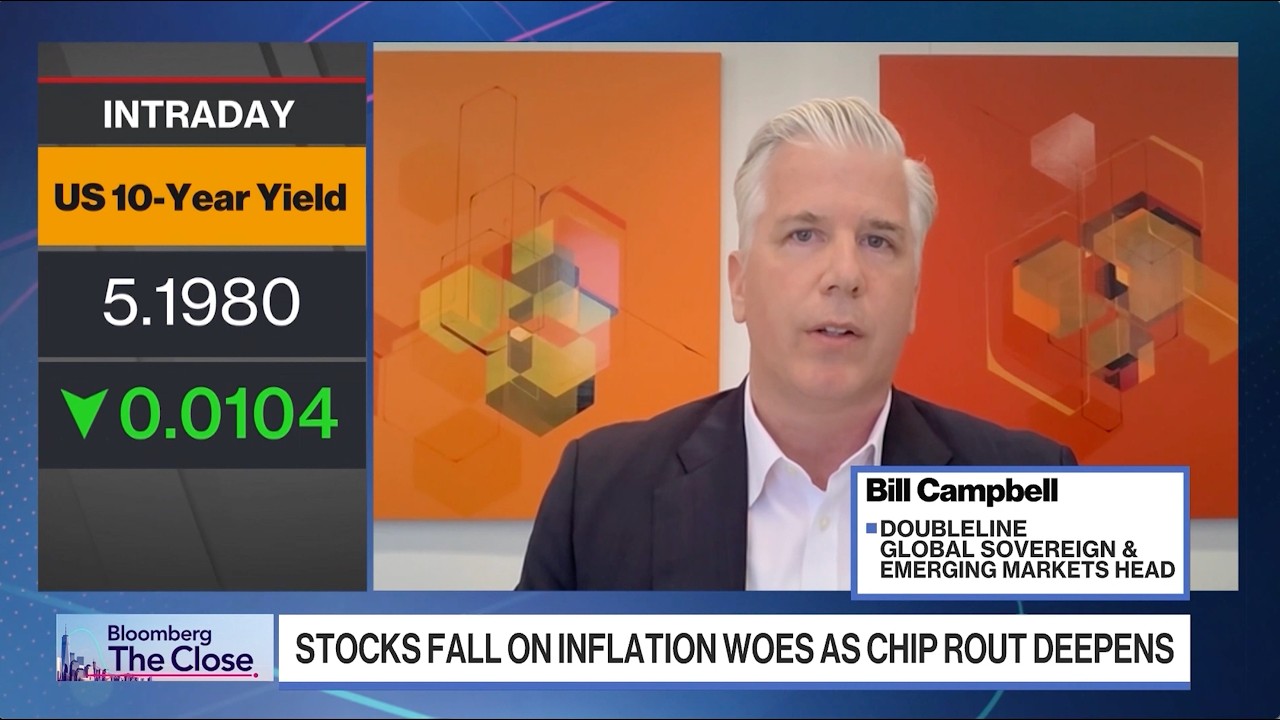
For wealth professionals working with fixed income allocations, the segment offers a large manager’s framing of duration positioning, Fed policy and fiscal and foreign-demand risks. It is a short window into how one bond manager is interpreting the Treasury rally.
It is a same-week roundup of the themes advisors are hearing from clients, with AI capital spending and market breadth among the items. Useful as a quick listen for the framing of those debates rather than for detailed analysis.
For advisors fielding client questions about AI concentration risk and the financing behind the build-out, the episode works through the specific channels — vendor concentration, debt-funded capacity, model pricing — that the guests see as relevant. It also pairs that with a rates and inflation read and a 2008 comparison made by someone who lived it.
For wealth professionals working on fixed-income allocations, the episode presents one manager's framework for bond positioning when long-term yields are elevated. It also identifies the specific WisdomTree funds discussed alongside that framework.
For wealth professionals working on bond allocations, the episode offers a manager’s framing of how a higher-yield environment shapes fixed income positioning. It also references specific WisdomTree fixed income funds used to express rate-related views.
A wealth professional may want a quick reference to the large-cap names Morningstar is framing as wide-moat value candidates. The metadata gives the list and framing but not the underlying analysis.
Software loans are a specific corner of credit where the terms described in the episode bear directly on lender protections. The episode gives a manager's framing of whether the borrower-friendly terms it describes are actually changing.
Advisors discussing private markets with clients often have to address illiquidity as a drawback; here a portfolio manager frames the inability to sell quickly as a behavioral advantage and describes how his team evaluates private businesses. It is a short clip rather than a full allocation argument, so it is best treated as manager commentary.
It offers a short weekly roundup of market and economic developments that wealth professionals may use to stay current on the themes Fisher Investments is discussing with investors.
For wealth professionals, it offers a manager view on how policy, rates and geopolitics were framed against rising equity markets, plus the Investment Strategy Group’s outlook.
For advisors fielding client questions about energy costs and inflation, it offers a concise example of how Fisher Investments frames the issue for investors.
For wealth professionals weighing fixed income allocations, the segment offers a manager’s framing of recent rate moves, credit quality and emerging markets local debt as portfolio roles.
New manager videos, podcasts and our own markets & outlook stories on My Desk and in your morning edition.
Free. One click to unfollow. Readers who are not signed in can follow in this browser and sign in later.
The private wealth industry in four minutes, every morning at 6:30 a.m. ET. Free.
Free. Every morning. Unsubscribe from any edition in one click.